In “The Bags” we store a collection of items intended to make sure we get home, get out of the area or make it through our localized crises. An imperative aspect of the bag is food and food preparation. Without a caloric intake we start to lose energy and then our abilities to complete task. While it is impossible to carry a fridge and freezer on our backs, we can carry a few items to assist us in getting calories and water in our body. For the short term I carry a few mountain house meals.
Mountain house meals are an easy and effective way to get calories in our bodies during times of crises. While they are not a meal prepared by a world famous chef, they are calories and at the end of the day it’s what we need. One of the big disadvantages of prepared meals is the relatively low calorie count. However, in the case of mountain house meals they seem to come in pouches of 2 servings. Many of the meals offer 350 (Scrambled Eggs) calories to 600 calories (Chicken Fried Rice) per pouch. Some of the Pro Paks offer slightly more calories at 650 (Pro Pak Chicken and Rice). However 650 calories x 3 = 1950 calories. 1950 calories a day is sufficient in many cases however that leaves a limited amount of diversity in foods. It also severely limits amount of calories that can be used for energy. Another detrimental problem with freeze dried meals is sodium. While our bodies can handle it short term, planning to live off of freeze dried meals long term could present some sodium issues.
I leave my bag in my truck when at work or at home which limits the foods I can place in my hot, or at times frozen vehicle. For those of you that carry your bags with you, there are foods such as protein bars, candy bars, nuts, and more that can stay in your bags due to being more temperature regulated. Also, these foods could be rotated daily by eating them and replacing. This is by far a better solution then my own, maybe someday when I am not working in a secure facility I can implement it.
Another consideration to take into account is your surroundings. I live next to many lakes and other wildlife areas so finding food on the way home is a consideration for me. Passing lakes offers additional food, water and camping spots that are somewhat hidden.
On my trip home from work I will pass two lakes, a state wildlife park and countless gas stations and grocery stores. Depending on the level of civil unrest I may still be able to purchase food from these stores. Alternatively I can get water from the lakes and water spouts I may find at businesses or homes along the way. Due to having lakes and a wildlife parks on my route, I carry a camping stove, a lifestraw and a Sawyer Water filter. Along with the camping stove I carry an extra bottle of fuel and a GSI Glacier Cup. The GSI Glacier cup provides a method of cooking food and boiling water. Conveniently my spare fuel bottle, an Optimus .5 Liter bottle fits inside the GSI Cup so it doesn’t take up much room. To boil water with my GSI cup I carry an Optimus 8R.
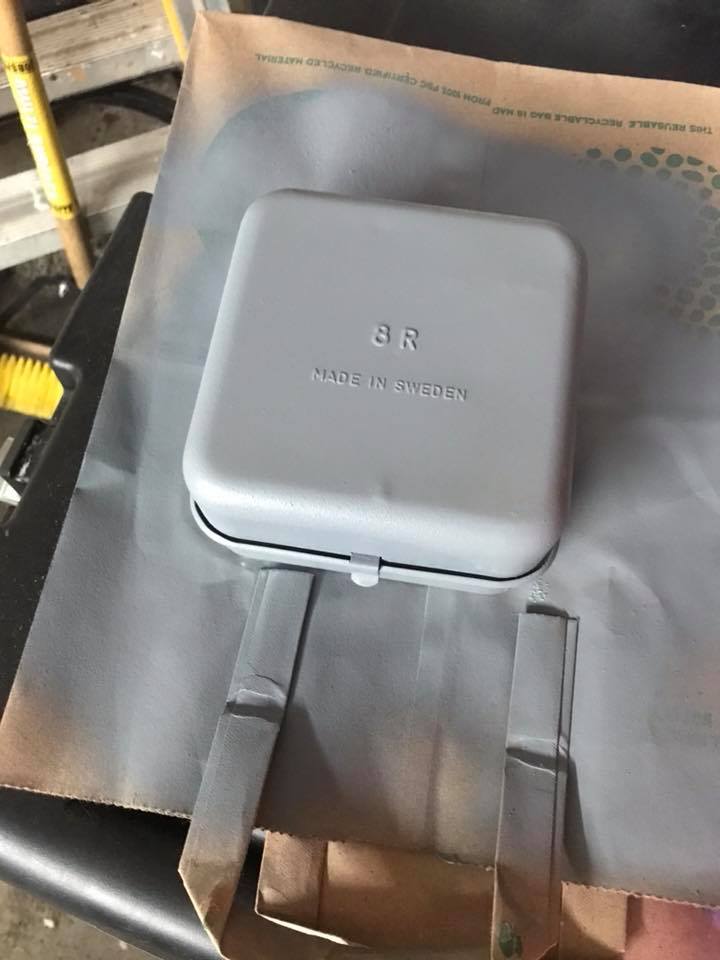
Having the Optimus 8R and a GSI cup available would allow to me cook any amount of food and purify plenty of water. I readily admit there are better stoves on the market, something about the Optimus 8R and SVEA 123 stoves just appeal to me. I will probably upgrade to current generation stoves at some point for weight reduction reasons.
When designing your bag remember to take into account surroundings and your trip home. Furthermore to include calories and methods of cooking into your bags.
The Disclaimer: I am not an outdoor survival expert, A Lawyer, A Doctor or a Medical Professional of any type nor do I hold any professional certificates of training, licenses or education in the topics of outdoor survival, Judicial Law or Medical. The opinions expressed here are a reflection of what I implement to care for myself and what I find works for me. I encourage everyone to do their own research and formulate their own plans with a proper medical professional such as your primary care physician. None of the techniques provided in my blog is a substitute for proper medical care.
 Four Horsemen Adventures and Preparedness